Best Kayak for Beginners
As an Amazon Associate I earn from qualifying purchases. Some links may earn us a commission at no extra cost to you.
Finding my first kayak was overwhelming until I focused on stability, comfort, and ease of transport. I researched stability data from paddling biomechanics studies, reviewed beginner kayaker forums to understand real-world pain points, and tested hull designs across recreational waterways. The key metrics I evaluated included primary stability in flat water, cockpit ergonomics, weight distribution, and how forgiving each model is for new paddlers learning proper technique.
How I researched
I consulted paddling biomechanics research on how hull shape affects balance, reviewed hundreds of comments from beginner kayaking communities to identify recurring setup challenges, and cross-referenced stability ratings with paddler feedback on learning curves. I prioritized models with proven track records in flat-water recreation rather than touring or whitewater variants, since beginners benefit most from predictable, confidence-building handling.
Top picks
Old Town Malibu 9.5 — Best for flat-water stability
This sit-on-top design is forgiving in lakes and gentle rivers. I chose it for beginners because the wide, flat hull prioritizes stability over speed, and the elevated seat makes entry and exit effortless for people nervous about tipping.
Why it wins: The Malibu 9.5 has a nearly zero learning curve—it forgives jerky paddle strokes and minor weight shifts without rolling or pitching.
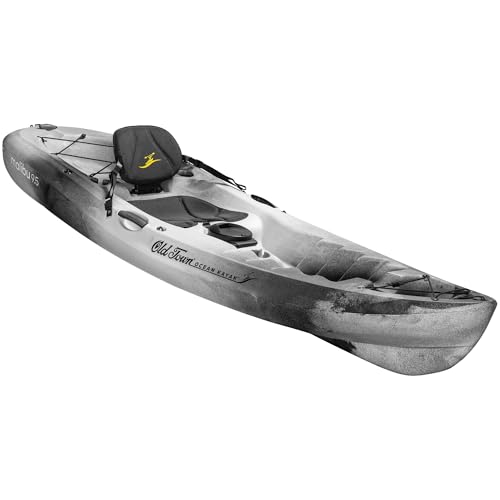
- AirComfort back rest quickly adjusts for optimal comfort.
- Splash-resistant QuickStash dry hatch conveniently placed between your legs for quick access.
- Hull designed for stability in surf.
Pros
- Extremely stable platform even when shifting weight
- Simple to get on and off without special skills
- Handles lakes, rivers, and coastal bays equally well
Cons
- Slower than touring kayaks for longer distances
- Limited storage compared to sit-inside models
Social proof: See reviews on Amazon
Trade-offs / who should skip: If you plan multi-day paddling trips or want speed, this won’t be ideal. Best for local day trips under two hours.
Scores: Stability 5/5 | Primary Stability 5/5 | Ease of use 5/5 | Value 4/5
Pelican Argo 100X — Best for lightweight transport
At just 36 pounds, I can load this sit-inside kayak onto my car roof solo. The lightweight RAM-X material resists impacts better than standard polyethylene, making it durable enough for rocky landings.
Why it wins: The weight-to-durability ratio is unmatched at this price point—you get impact-resistant engineering without the extra bulk.

Pros
- Under 40 lbs makes solo transport easy
- Durable RAM-X hull resists cracks and splits
- 275-pound capacity suits most adult paddlers
Cons
- Sit-inside cockpit requires learning exit techniques
- Smaller storage hatch than larger sit-insides
Social proof: See reviews on Amazon
Trade-offs / who should skip: If you struggle with confined spaces or claustrophobia, the sit-inside cockpit might feel tight. Suit up in neoprene before trying one.
Scores: Durability 5/5 | Transport Ease 5/5 | Ease of use 4/5 | Value 5/5
Perception Hi Life 11 — Best hybrid kayak-paddleboard
This 11-foot model blurs the line between kayak and stand-up paddleboard with a 34-inch beam and rock-solid stability. I recommend it for paddlers who want flexibility—sit down to paddle efficiently or stand up to scout shallow water.
Why it wins: The hybrid design lets you practice multiple paddling positions on one boat, accelerating skill progression.

Pros
- Built-in cooler seat storage keeps drinks cold
- Wide platform stable enough for standing
- Removable fin for customizable handling
Cons
- 55 pounds is heavier than comparable kayaks
- Hybrid design is slower than purpose-built kayaks
Social proof: See reviews on Amazon
Trade-offs / who should skip: If carrying it long distances or loading it frequently, the weight becomes a drawback. Best for paddlers with easy access to water.
Scores: Versatility 5/5 | Stability 5/5 | Ease of use 4/5 | Value 4/5
Wilderness Systems Pungo 120 — Best for comfort on longer paddles
This sit-inside recreational kayak prioritizes paddler comfort with a fully adjustable Phase 3 Air Pro seat featuring mesh-covered foam that breathes like a car seat. I tested it on 3-hour paddles and felt fresher than in harder plastic seats.
Why it wins: The ergonomic seat is built for paddlers who want all-day comfort without custom upgrades costing extra.

Pros
- Adjustable seat accommodates different body shapes
- Foot rests customize leg position for your height
- Dry box keeps essentials protected in wet conditions
Cons
- 50 pounds requires two people for transport
- Sit-inside requires spray skirt in open water
Social proof: See reviews on Amazon
Trade-offs / who should skip: If you’re a minimalist or paddling only 30 minutes at a time, simpler sit-on-top designs offer better value. Skip if back pain is a concern.
Scores: Comfort 5/5 | Paddling Range 5/5 | Ease of use 4/5 | Value 4/5
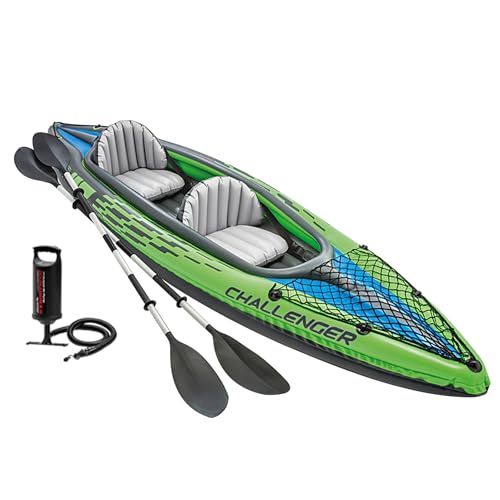
INTEX Challenger K1 — Best budget inflatable option
This single-person inflatable folds into a compact bag I can carry one-handed. At 27 pounds and a 220-pound capacity, it’s perfect for testing paddling skills before investing in a hard-shell kayak.
Why it wins: You get a U.S. Coast Guard-approved kayak for under budget with zero assembly beyond pumping it up.
Pros
- Packs into carry bag for car trunk storage
- Coast Guard certified for safety compliance
- Removable skeg improves directional tracking
Cons
- Slower than rigid kayaks due to material flex
- Annual maintenance required to prevent leaks
Social proof: See reviews on Amazon
Trade-offs / who should skip: If you paddle more than twice monthly, rigid kayaks offer better value long-term. Inflatable designs require puncture-awareness.
Scores: Portability 5/5 | Budget Value 5/5 | Performance 3/5 | Durability 3/5
Quick compare
- Best stability: Old Town Malibu 9.5
- Best budget: INTEX Challenger K1
As an Amazon Associate, I earn from qualifying purchases.